About Me
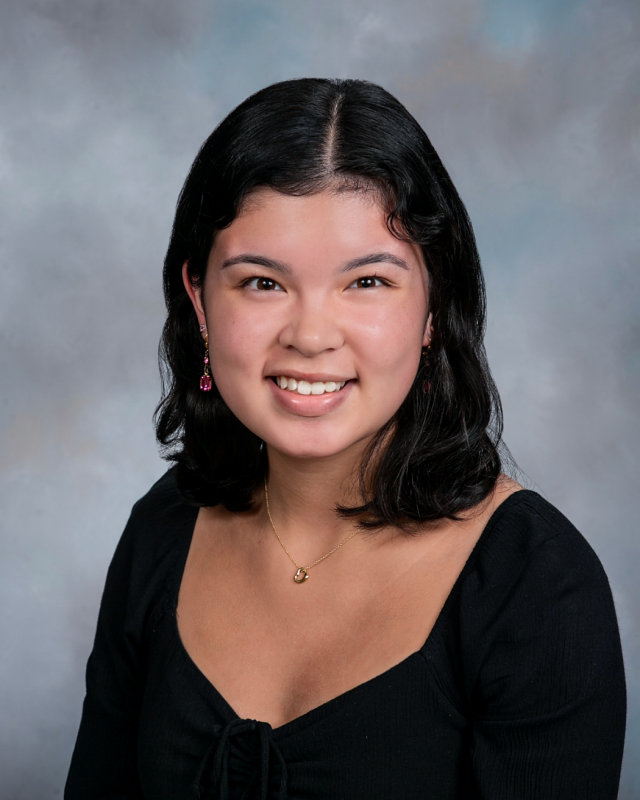
Hi! I'm Kya, a rising junior at Rensselaer Polytechnic Institute (RPI), majoring in Physics with minors in Astrophysics and Psychology. On campus, I serve as Vice President
of Women in Physics and mentor first-year students in Physics 1, helping them not just with the material but with adjusting to campus life in general. I've always been passionate about
space and learning more about our universe. There's something endlessly exciting about trying to understand the things happening super far away! My research interests are still pretty broad
(ask me again in a year!), but I've found I love a mix of observational and computational work, getting to dig into real data while also building the tools to make sense of it.
Outside of classes and research, you can usually find me playing euphonium (essentially a mini tuba) in Pep Band, a student-run concert band, or a euphonium/tuba quartet. I'm also a big reader,
I work out regularly, and I love cooking. I play video games too, though I'll be the first to admit I'm not very good at them. My current obsession is logic puzzles, specifically Murdokus (murder mystery Sudoku),
so if you have a favorite, please let me know!
This site is still very much a work in progress, so thanks for bearing with me as I build it out!
Research
Not Every Black Hole Stays Home: Using Tidal Disruption Events to Search for the Wanderers
CIERA REU, Northwestern University, Summer 2026 - Present
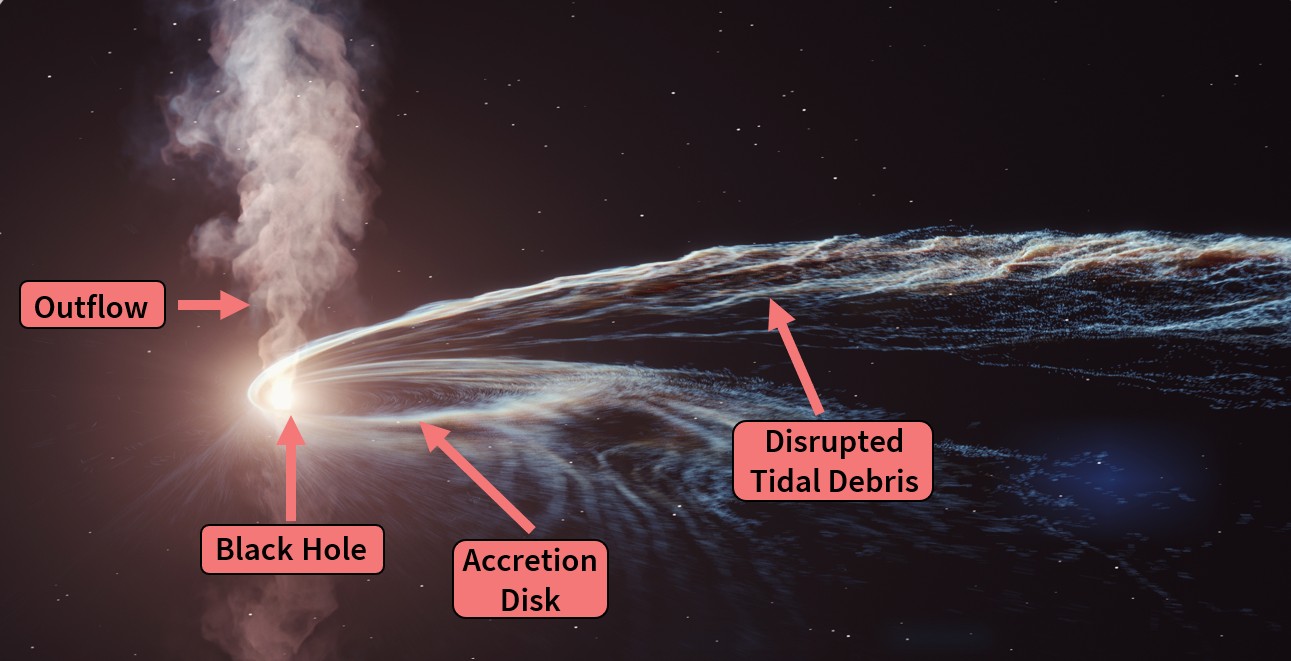
Image credit: DESY, Science Communications Lab.
In summer 2026, as part of the CIERA REU program at Northwestern University, I worked on a project searching for "wandering" black holes
hiding in nearby galaxies. When a black hole tears apart a star that strays too close, it produces a brief, bright flare called a tidal disruption event,
or TDE. Most TDEs are assumed to occur at the center of a galaxy, where a black hole is expected to live, but a small number have been found
significantly offset from the center, hinting at a second, wandering black hole displaced from the galaxy's core, likely left behind by a past merger.
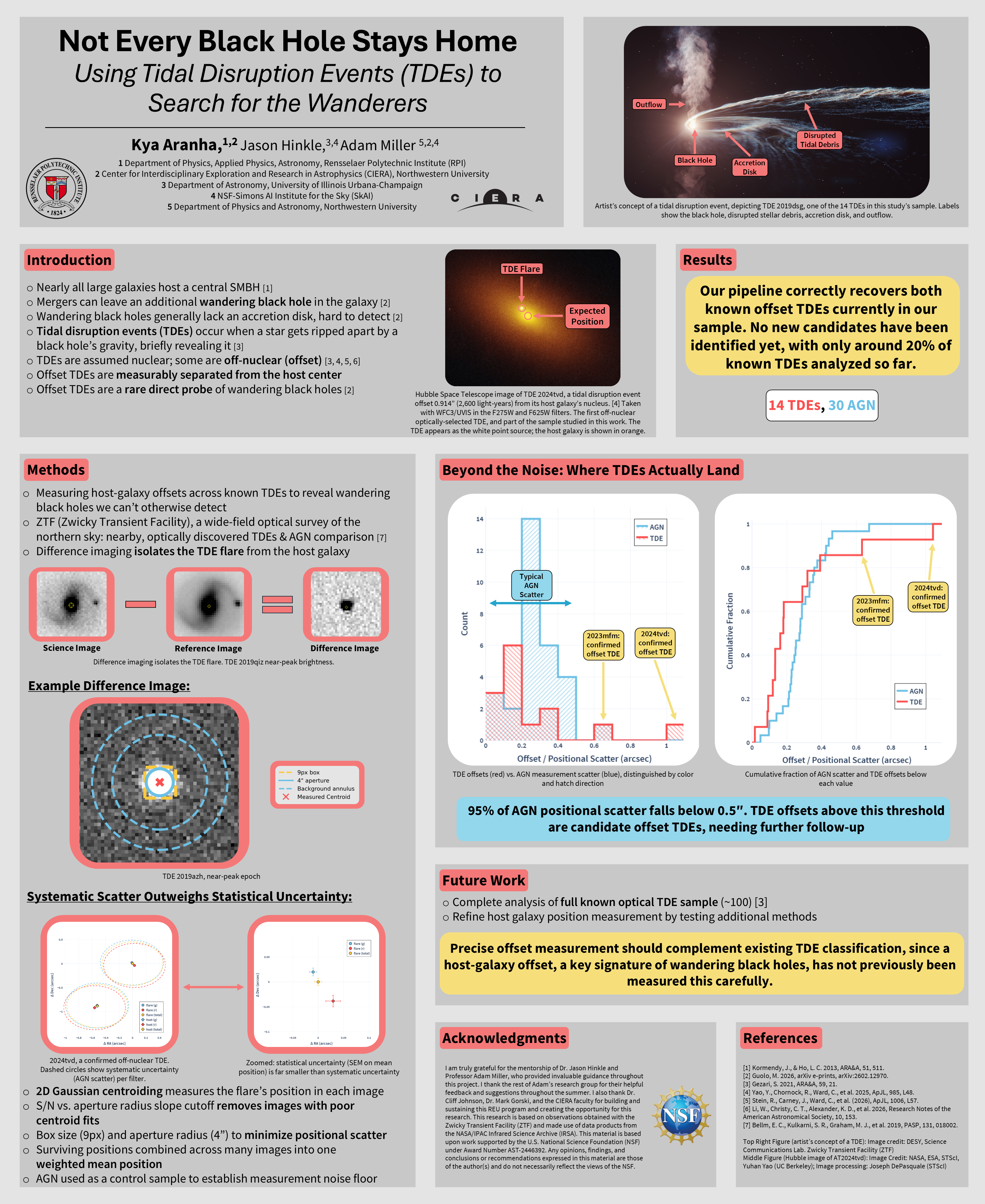
I built a pipeline to precisely measure the position of a population of TDEs previously assumed to be nuclear, checking whether they truly sit at their host
galaxy's center or are secretly offset. To distinguish a genuine offset from ordinary measurement noise, I compared my results against a control sample of
active galactic nuclei (AGN), which produce similar flares but are more common, more permanent, and better studied. Together, this work searches for rare,
telltale offsets that could reveal wandering black holes hidden in plain sight!
My Poster:
A recorded presentation and paper on this work is coming soon!
Two Kinds of Nothing: Simulating a Multi-Particle Universe of Fuzzy Dark Matter
Rensselaer Polytechnic Institute, Spring 2026 - Present
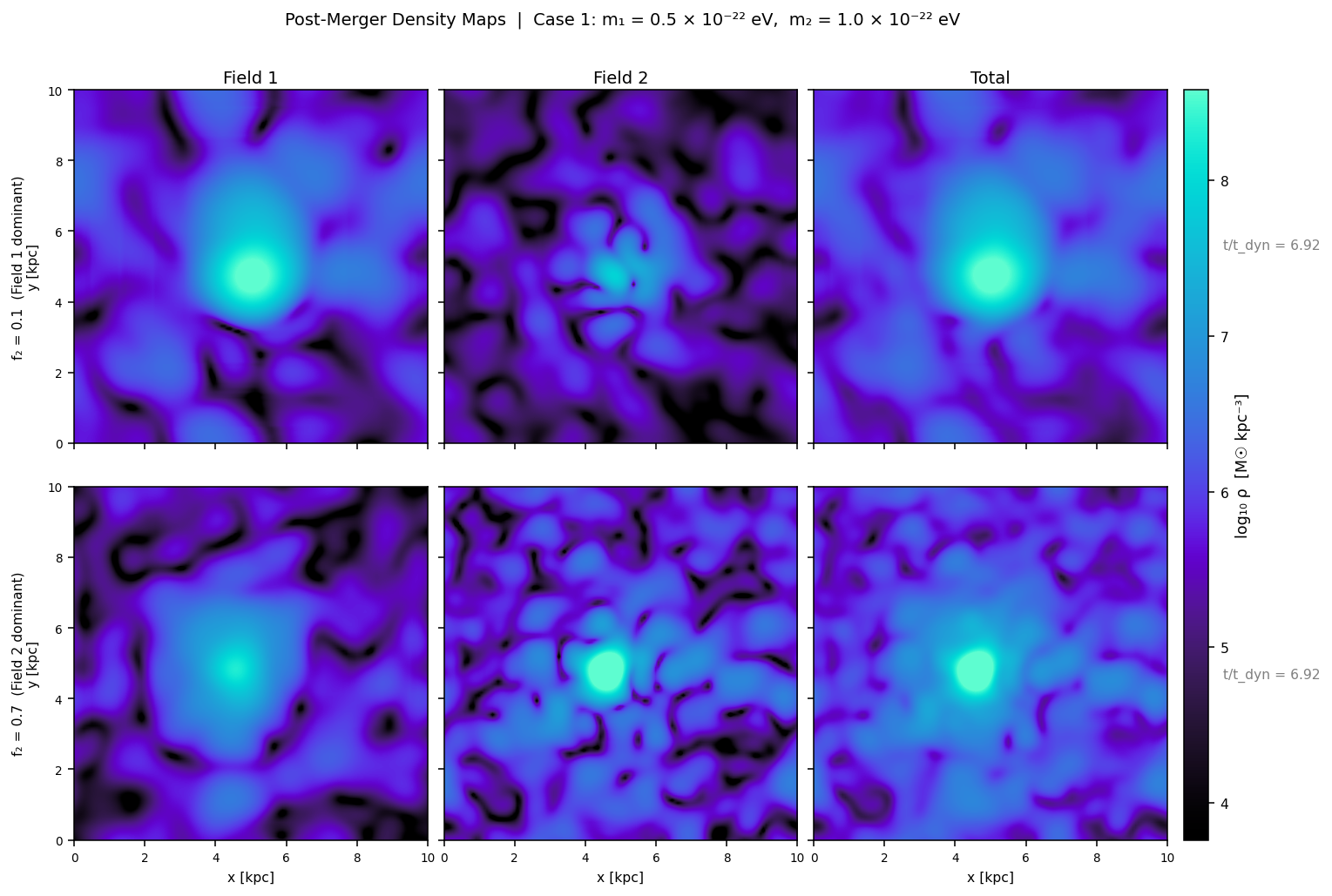
Simulated density maps showing two dark matter fields merging into a single structure.
Back at RPI, I've also been investigating a different mystery: what dark matter might actually be made of. Most of the universe's
matter is invisible "dark matter", and one leading idea, called fuzzy dark matter, proposes it's made of an incredibly light particle
that behaves more like a wave than a solid clump. I ran computer simulations exploring what happens when two different types of these particles
exist together, rather than just one, tracking how they interact, merge, and settle inside a galaxy. This work helps test
whether our current understanding of dark matter still holds up in a more realistic, multi-particle universe.
Contact
Feel free to contact me anytime through email or LinkedIn, and I'll respond as soon as I can :)